Insights
Como 1907: how a football club became a cultural brand through design thinking
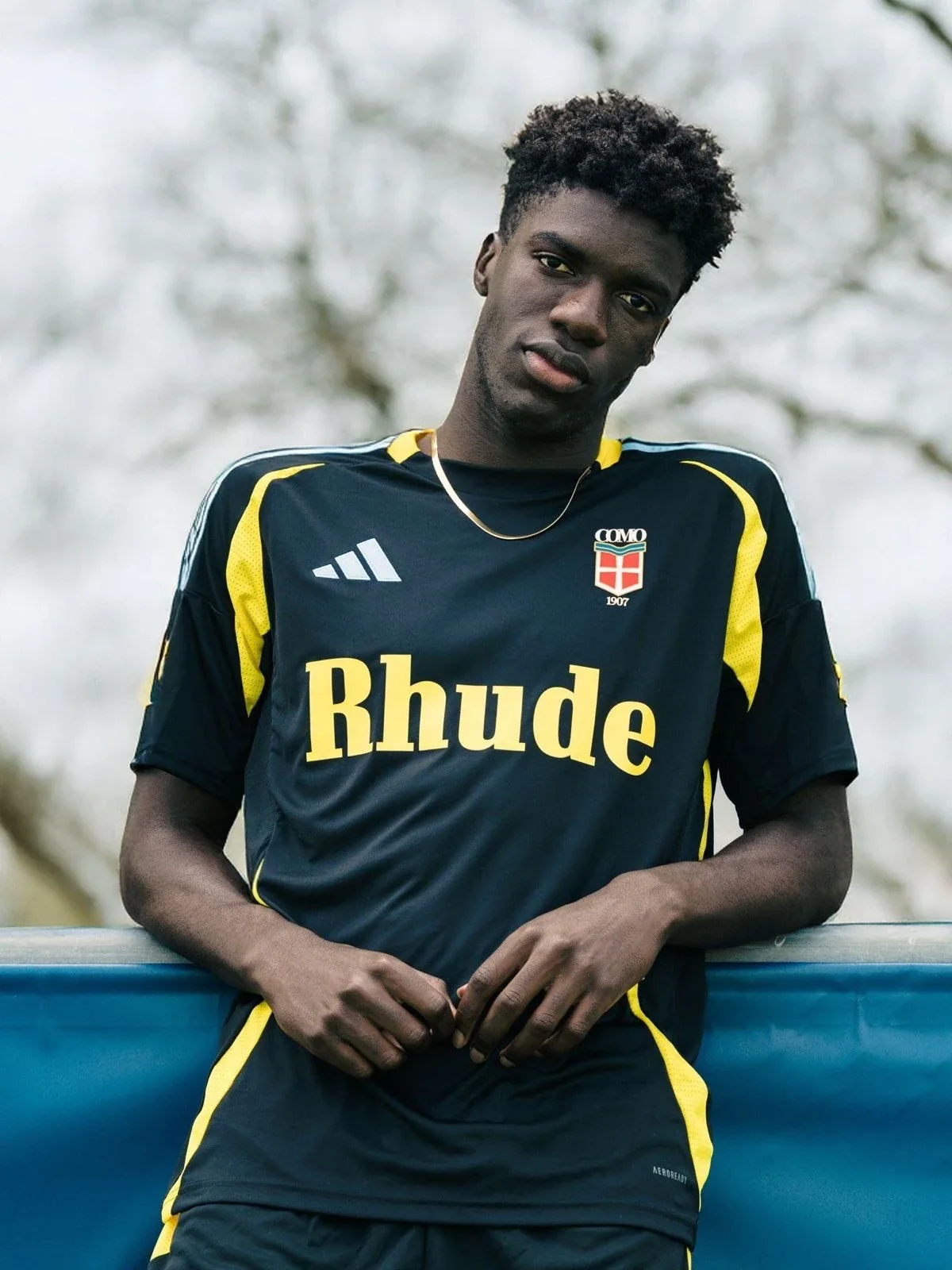
When football becomes more than a game
What happens when a football club stops thinking like a traditional sports organization and starts building itself like a lifestyle brand?
Como 1907 is a useful case study in the convergence of football, fashion, design, and commercial strategy. After returning to Serie A in 2024, the club kept developing a wider brand ecosystem connected to Lake Como's international identity and its fashion ambitions.
At the centre of that transformation is Rhuigi Villaseñor, founder of the luxury streetwear label RHUDE and Como 1907's Chief Brand Officer since October 2024. His role points to a broader shift in sports business: creative leadership now shapes brand identity, consumer products, partnerships, and commercial opportunity, not only merchandise.
This article reads Como 1907 through the five stages of design thinking, and asks how a football club translates identity into culturally relevant products and experiences.
Empathize: understanding the audience beyond football
Design thinking starts with empathy: understanding people, their needs, aspirations, and behaviour.
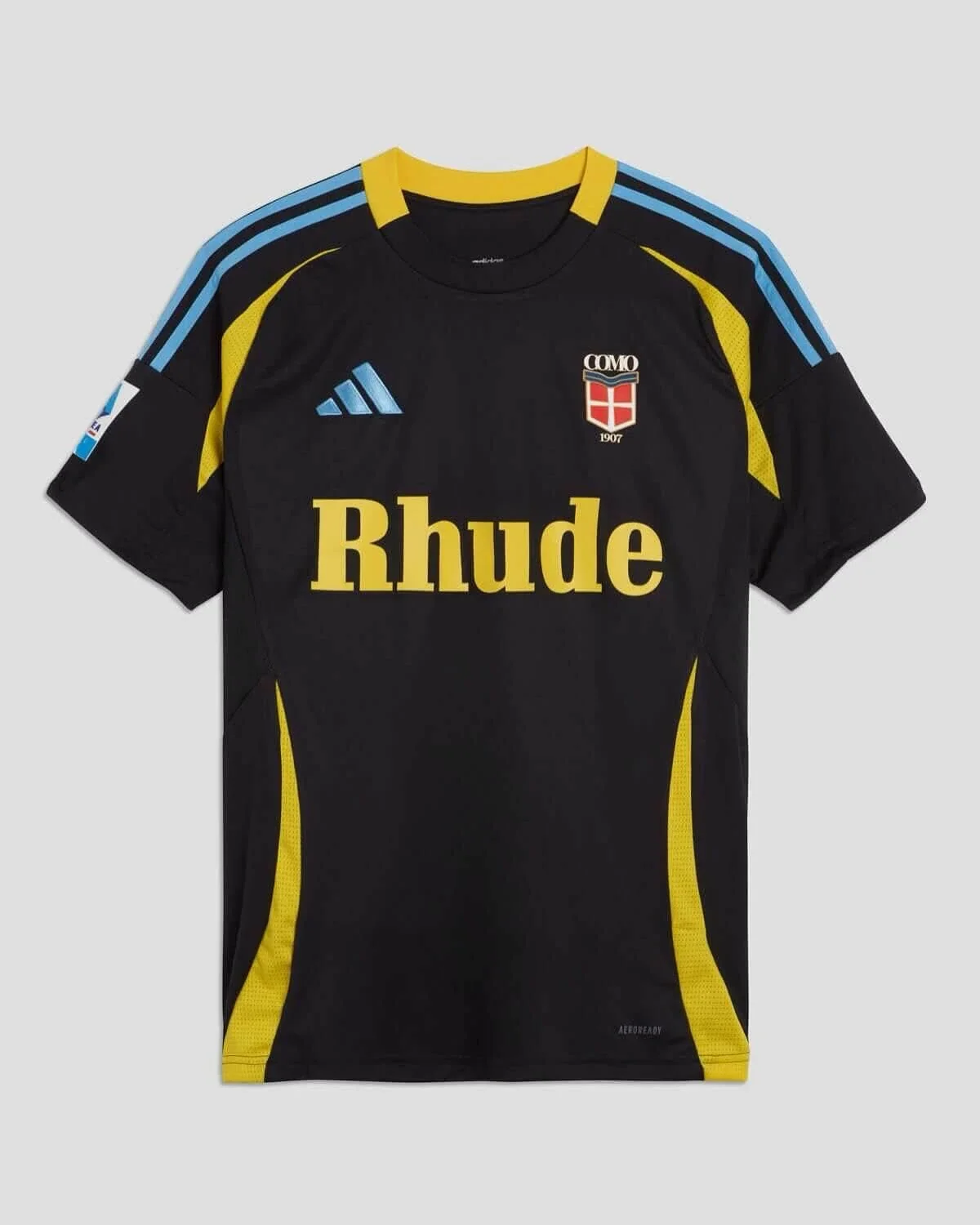
Como 1907 sits in an unusual environment. Its identity is tied to Lake Como, a destination associated with tourism, luxury, and lifestyle. The club's challenge is not only to attract supporters. It can also engage visitors, fashion consumers, and people drawn to the culture of the place.
That creates one strategic question: what does Como mean to people beyond football? The answer runs through several dimensions at once.
- Football and community
- Lake Como's cultural identity
- Fashion and personal expression
- Travel and hospitality
- Contemporary lifestyle
Rather than treating these as separate categories, Como's strategy connects them through one shared brand identity.
Understanding audiences beyond traditional supporters reveals new opportunities for product development, retail, partnerships, and consumer engagement.
Define: reframing the football merchandise problem
Traditional football merchandise is about affiliation. Supporters buy jerseys, scarves, and apparel to express loyalty.
Como's approach reframes the problem: merchandise can also work as a lifestyle product. The question becomes how Como 1907 might transform its football identity into a culturally relevant brand that creates value beyond matchday.
That reframing changes the role of design. Instead of asking only how to create a visually appealing jersey, the organization can ask what makes the product relevant to contemporary consumers, how the club's identity can be expressed through fashion, which product categories extend the brand into everyday life, and how creative concepts support commercial growth.
This is the difference between design as execution and design as strategic problem-solving.
Ideate: why Como hired a fashion creative leader
Appointing Rhuigi Villaseñor as Chief Brand Officer was an investment in new capability. The club was not looking for someone to produce attractive football apparel. It brought in a creative perspective able to connect football with fashion, lifestyle, and commercial opportunity.
Creative leadership can help redefine what a brand is capable of becoming.
In a traditional model, a creative team receives a brief to design a jersey or a campaign. In a brand-led model, creative leadership joins earlier: defining the opportunity, shaping the product concept, and influencing how the brand is experienced across touchpoints. The creative function becomes part of business strategy.
Prototype: Como 1907 × RHUDE × adidas
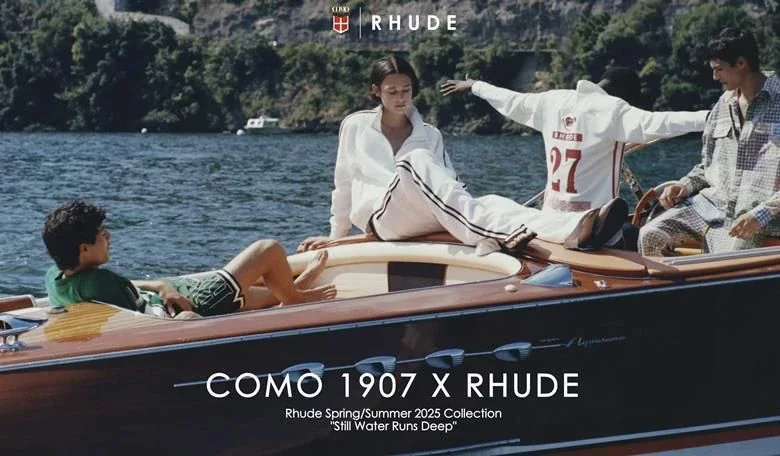
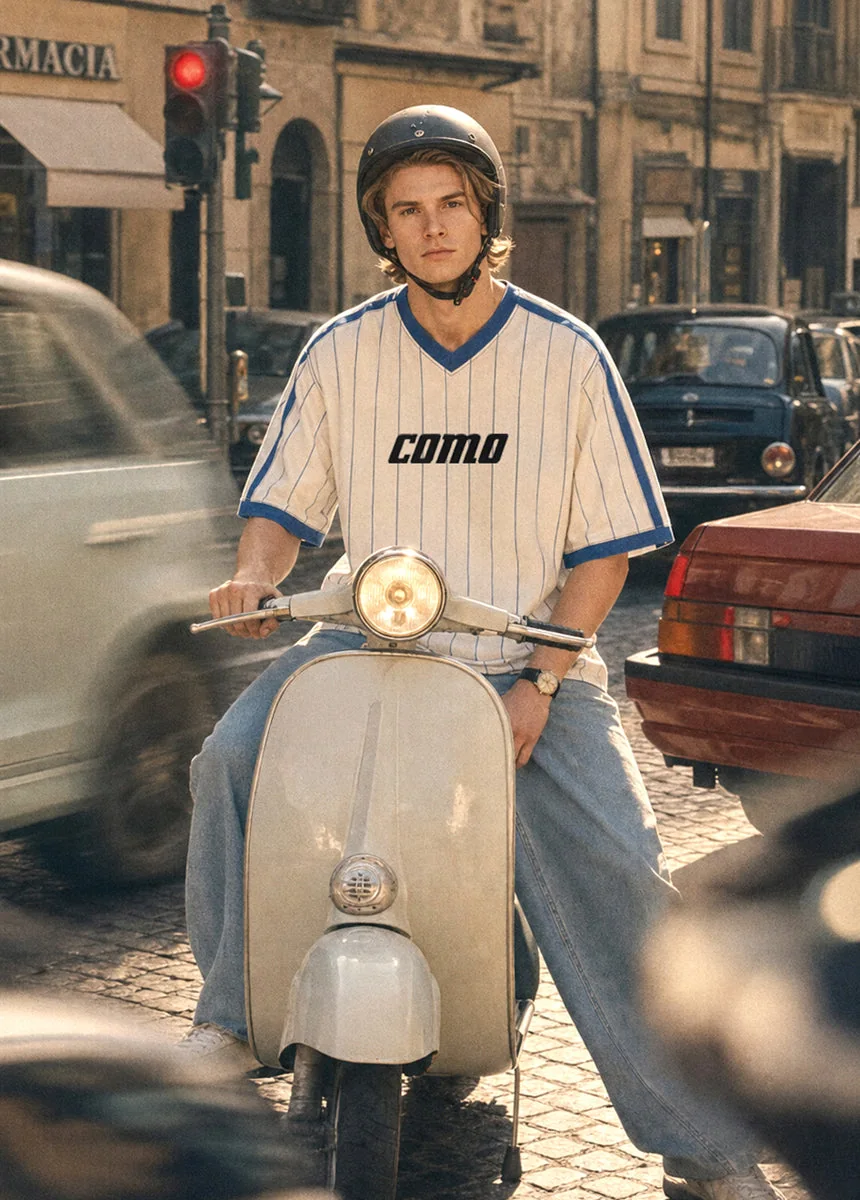
The clearest expression of Como's fashion-led direction is its collaboration with RHUDE and adidas. In May 2025 the club launched a limited-edition fourth kit that connects Lake Como and Los Angeles through its design language and co-branded identity.
One thousand pieces were produced, with proceeds supporting Quelli che con Luca, a foundation focused on childhood leukaemia. The jersey was made for a specific matchday moment and carried a smart authentication tag for owners.
- A muted lake-blue palette and gold detailing
- RHUDE branding and star motifs
- "Stars On The Lake" messaging
A football shirt can be more than a team uniform. It can become a limited-edition cultural product with a story, a design identity, and a purpose. The product is a tangible prototype of a wider proposition: football identity, fashion credibility, cultural storytelling, and product desirability in one object.
Test and iterate: from launch to business learning
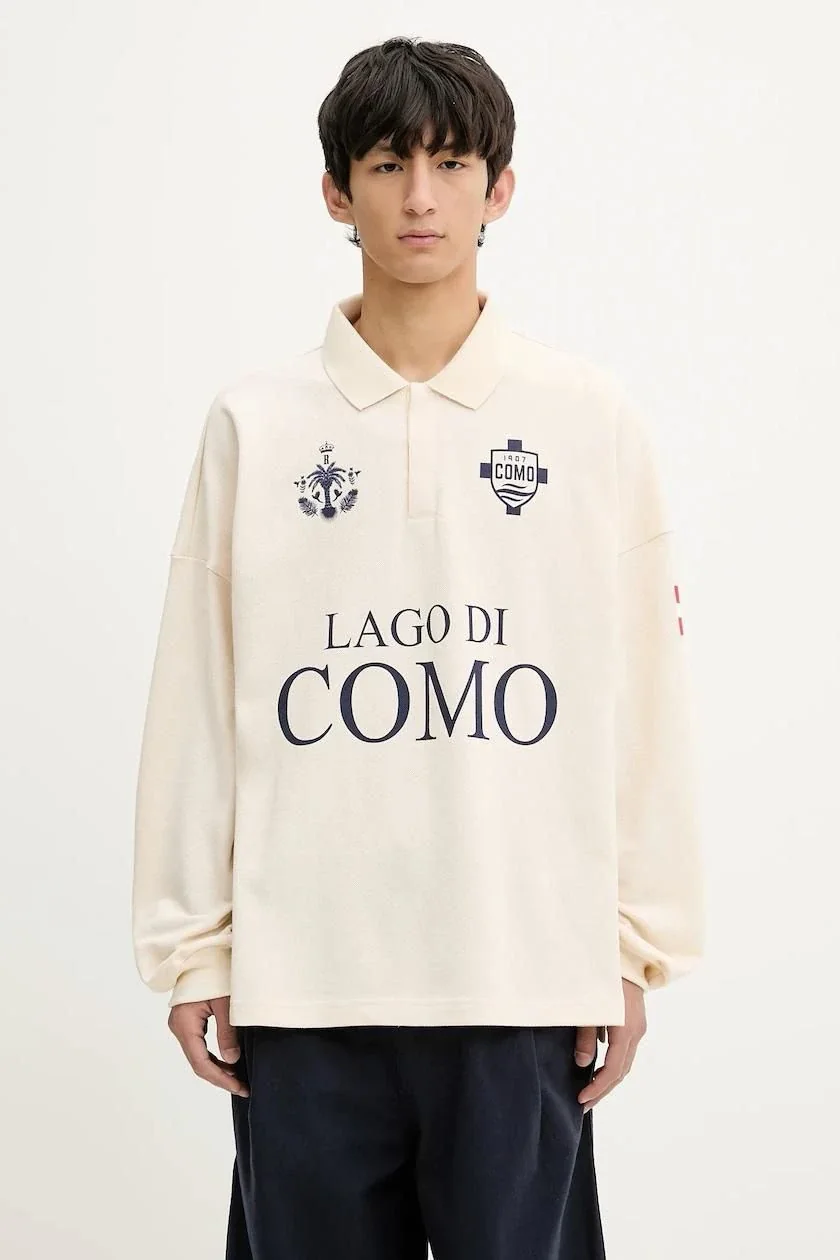
Design thinking does not end at launch. The next stage is learning from real-world response, which for a club moving into lifestyle commerce means reading both consumer engagement and commercial performance.
- Do consumers want the product? Watch the sell-through rate.
- Is the product attracting new audiences? Watch new customer acquisition.
- Does the brand encourage repeat purchases? Watch the repeat purchase rate.
- Is the collection commercially viable? Watch gross margin.
- Can the model expand? Watch retail and partnership performance.
These measures separate cultural attention from sustainable business value. A product can generate buzz, press, and recognition. A successful commercial strategy needs evidence of demand, profitability, operational execution, and long-term brand equity.
The business model: football as a cultural ecosystem
Como's ambition extends beyond the traditional football revenue model. In a 2026 interview with GMPLN, club representatives described an integrated ecosystem around the club and the Lake Como lifestyle, with football as one component of a wider platform that includes fashion, retail, and experiences.
- Football. Sporting identity, community, and matchday.
- Fashion. Apparel, collaborations, and creative expression.
- Retail. Physical and digital product distribution.
- Destination. Lake Como's tourism and lifestyle appeal.
- Partnerships. Commercial relationships that extend the brand.
Strategic ambition and verified financial outcome are different things. A diversified brand ecosystem creates opportunity, but its success depends on execution, customer demand, and commercial performance.
Why Como 1907 matters to modern brand strategy
The lesson is not that every football club should hire a fashion designer. The deeper lesson is that brand identity, creative capability, and business strategy can be developed together.
A club's identity can shape product design, retail experience, partner selection, content, customer engagement, and brand perception. When these are connected, the brand delivers a consistent experience across channels.
Como's use of Lake Como as a brand asset is the sharpest example. The location is not a geographical detail. It is part of the narrative and a source of creative inspiration.
A strong brand does not only communicate what it sells. It communicates the world, values, and identity that consumers want to associate with.
Design thinking lessons for consumer brands
For a beauty, retail, or lifestyle brand, the opportunity is not to copy football merchandise or fashion aesthetics. It is to learn how a brand translates its identity into distinctive consumer experiences.
- Empathize. Understand consumer motivations, rituals, aspirations, and shopping behaviour.
- Define. Name the gap between the current brand experience and the one the target consumer expects.
- Ideate. Explore new creative concepts for retail, product storytelling, fixtures, and brand touchpoints.
- Prototype. Turn concepts into physical and digital experiences: modular fixtures, product presentation, consumer interaction.
- Test. Evaluate through feedback, engagement, conversion, and commercial performance.
Translated directly: a distinctive brand asset becomes a recognizable brand world. Fashion-led creative leadership becomes creative capability positioned as strategy. Cultural collaborations become relevant lifestyle partnerships. Lifestyle merchandise becomes products that belong to a broader identity. An integrated ecosystem becomes retail, content, and consumer experience working as one.
The takeaway: from brand visibility to brand meaning
The strategic opportunity is not simply to make products more attractive or retail fixtures more distinctive. It is to create an experience that connects identity, relevance, and commercial value.
The future of brand differentiation is not decided only by who has the most visibility. It is shaped by who creates the most meaningful, distinctive, and relevant experience for consumers. Como 1907 shows how football, fashion, location, and creative leadership can be brought together as one brand strategy.
The question for any brand is not only how to be seen. It is how to become a brand that people want to experience, remember, and engage with.
References
- Como 1907, appointment of Rhuigi Villaseñor
- Como 1907 × RHUDE × adidas fourth kit
- Rhude x Como 1907 collection
- The official Como 1907 store
This is an independent strategic analysis of Como 1907's brand direction, not an official statement from the club. Business outcomes should be assessed against verified financial and operational data. Photography: Como 1907 and RHUDE.
Next in Studycase
See all →
ANTA did not just buy brands. It designed new growth territories.
What ANTA's portfolio, Amer Sports investment, and proposed PUMA stake teach leaders about designing the next territory for growth.
Read →
Every recommendation must work across five lenses.
Mind, Future, Experience, Business, Action. If a direction fails one lens it is not ready to become a recommendation.
Read →
We begin with the decision leadership needs to make.
Why we shape every engagement around a decision rather than a volume of slides, and what that changes in the first week.
Read →