Insights
From industrial clusters to tourism experiences: what China can teach us about place design
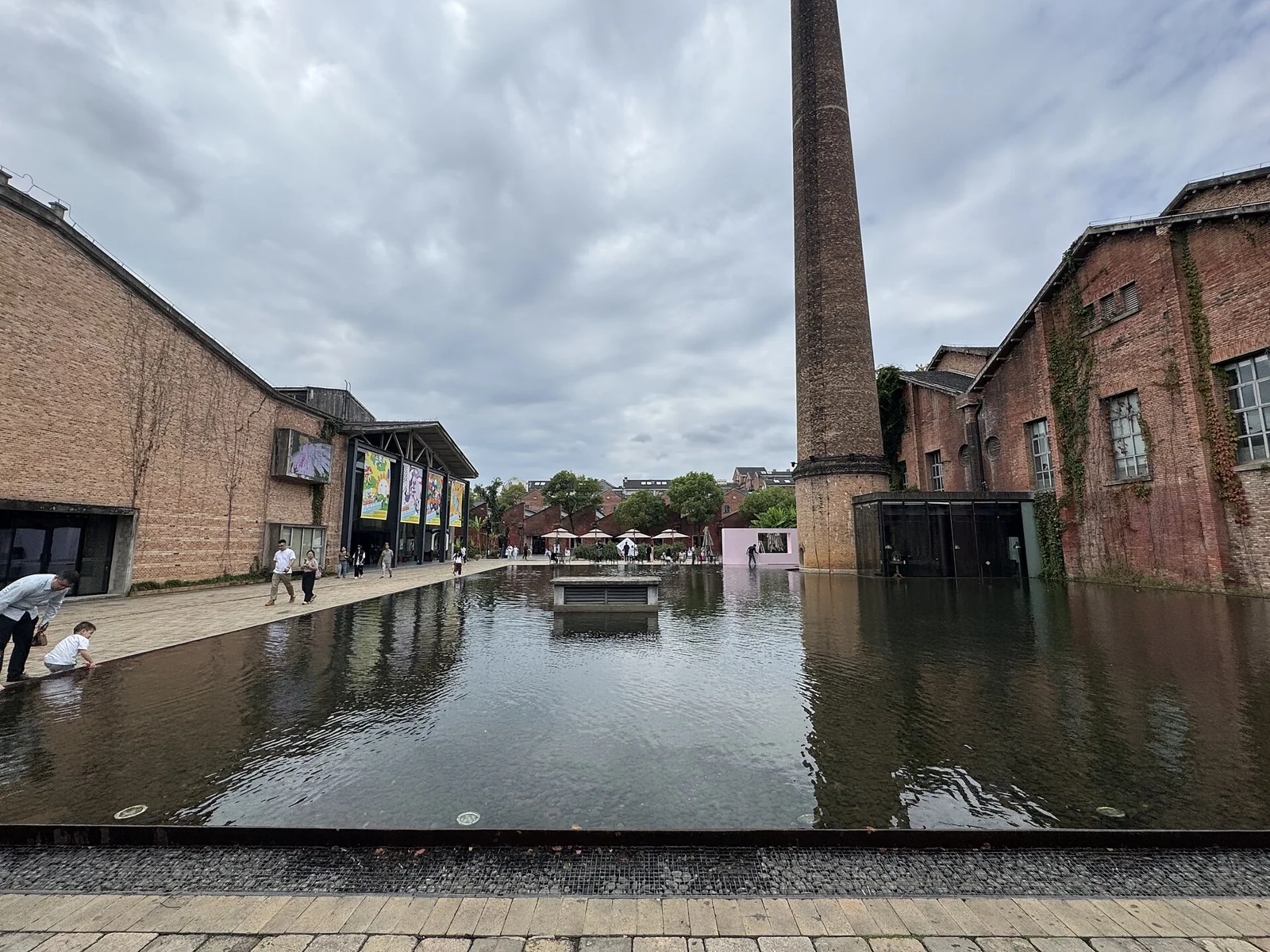
The idea
What if the future of tourism does not always begin with building a tourist attraction, but with recognizing the economic capabilities a place already possesses?
China's industrial clusters offer a useful lens on that question. Cities such as Shenzhen, Yiwu, Foshan, and Jingdezhen show different forms of industrial concentration, from technology and wholesale trade to ceramics and craftsmanship.
These clusters were not designed for tourism. Their concentration of expertise, products, and cultural identity still creates an opportunity: transforming industrial capability into meaningful visitor experiences.
From production to experience
Industrial clusters are built around efficiency: supply chains, skilled labour, production capacity, and market access. Tourism is built around discovery, engagement, and emotional connection. The work of place design is to connect the two.
Industrial capability → Place identity → Experience design → Visitor engagement → Economic value
- Jingdezhen shows the potential of connecting ceramic heritage and craftsmanship with cultural experiences: studios, kilns, and markets that visitors can enter.
- Yiwu presents a different model, where wholesale trade and business visitation become part of a broader destination ecosystem.
- Foshan offers a lens on how manufacturing, design, showrooms, and material discovery might be connected into one journey.
These cases should not be read as proof of a single national strategy. They are useful contexts for investigating how industrial ecosystems and tourism can intersect.
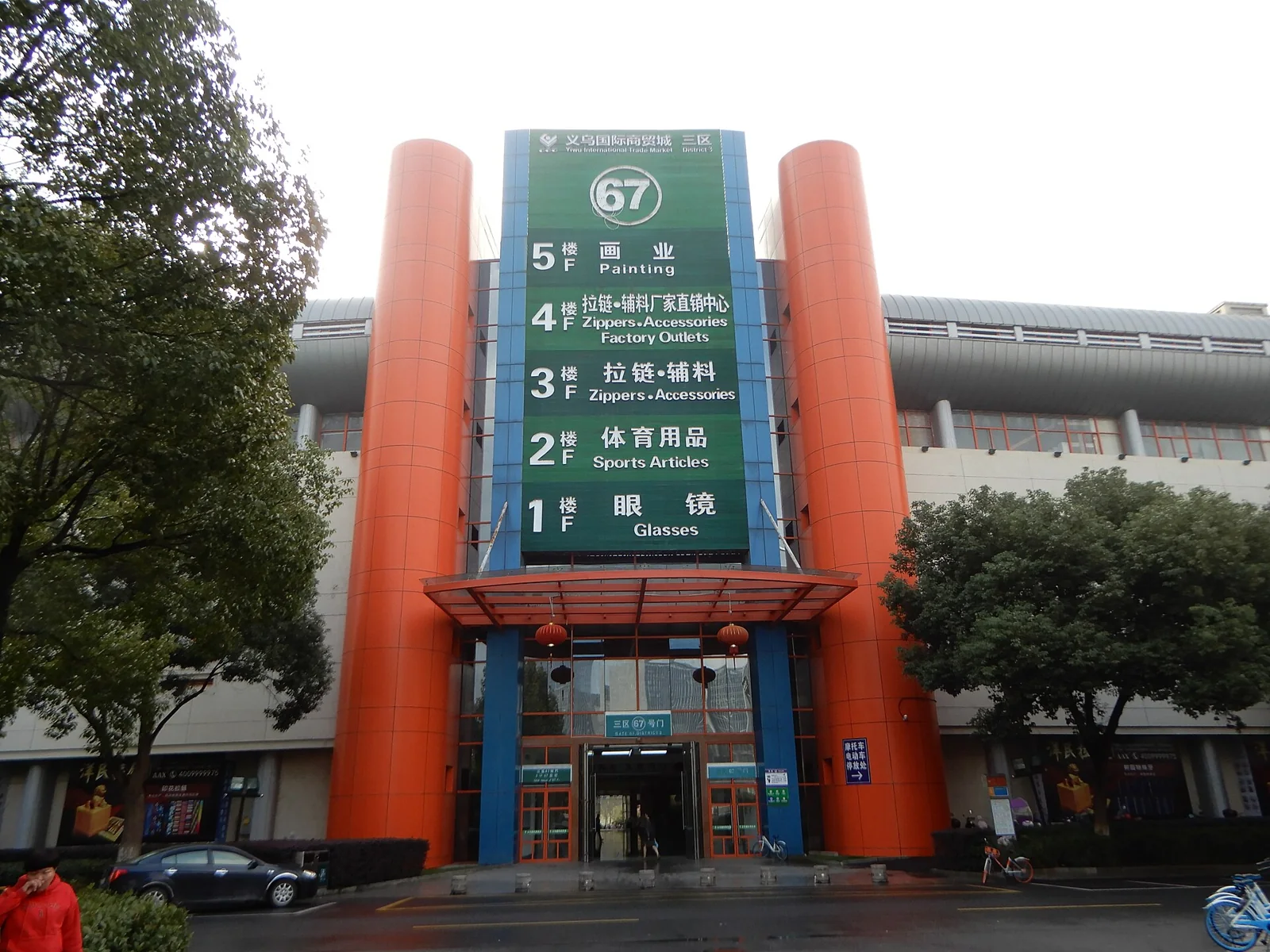
A design thinking perspective
The most important shift is to stop asking how to build an attraction that brings people to a city, and start asking a different question.
What unique capabilities already exist in this city, and how can we design experiences that create value for visitors, businesses, and local communities?
The objective is not to turn every factory into a tourist destination. It is to identify where genuine industrial knowledge, craftsmanship, and commercial activity can be translated into accessible and valuable experiences.
Prototypes might include guided workshops, curated design routes, material discovery experiences, or business-and-leisure journeys that let a buyer's trip and a traveller's trip overlap.
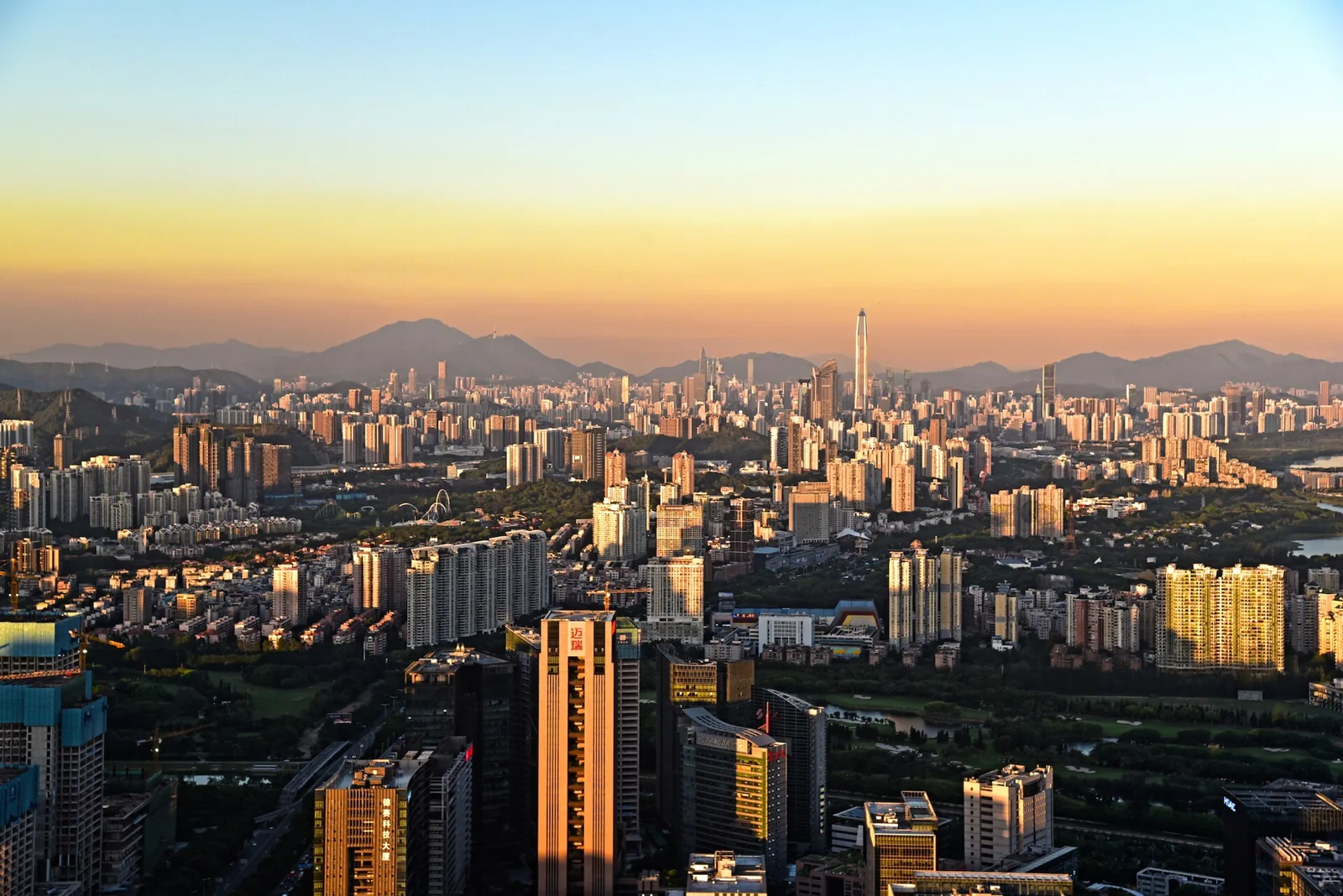
Beyond tourism: designing economic ecosystems
The deeper opportunity is not simply increasing visitor numbers. It is designing a connected ecosystem in which tourism supports the visibility of local capabilities, while industrial expertise strengthens the identity of the destination.
This perspective is particularly relevant for emerging destinations in Indonesia. Regions known for furniture, ceramics, textiles, and crafts may have opportunities to explore how their existing economic strengths can become part of a more integrated visitor experience.
The Chinese context offers a starting point for research, not a formula to copy.
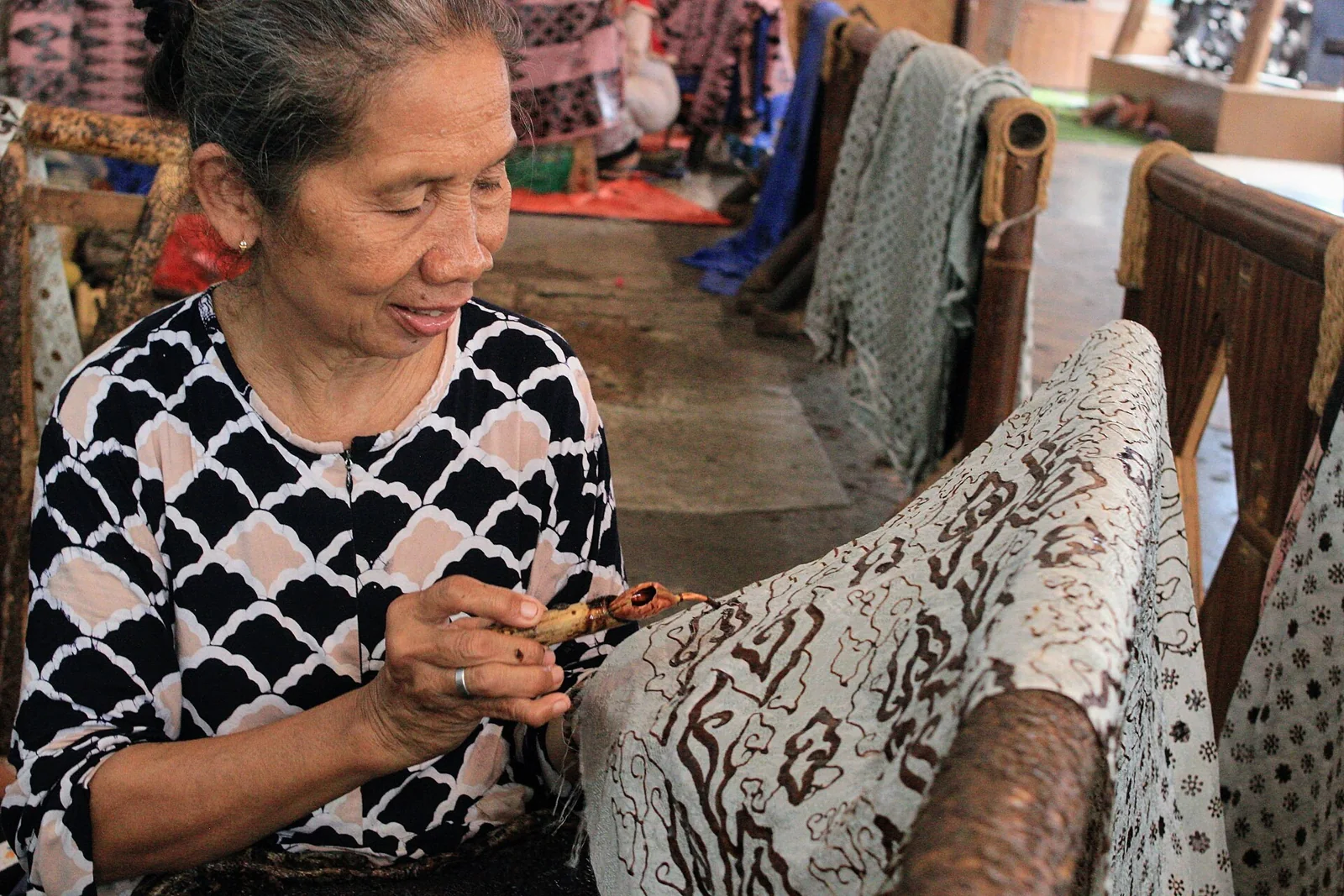
Stop building destinations. Start designing reasons to visit.
China's industrial clusters reveal a powerful opportunity: the factories, craftsmanship, and expertise that drive an economy can also become the foundation of its identity and visitor experience.
The future of tourism may not belong to places that simply create attractions, but to places that transform what they already do best into something people want to discover, experience, and remember.
Because the most compelling destination might not be built from scratch. It might already be working.
Design thinking · Place branding · Experience economy · Industrial tourism
Photography, all licensed CC BY-SA 4.0 via Wikimedia Commons: Taoxichuan, Jingdezhen by Simon Wade; Yiwu International Trade Market by Whisper of the heart; Shenzhen skyline from Nanshan by Simbaxu; Batik artisan in Trusmi, Cirebon by Ahaetulla.
Next in Studycase
See all →
Como 1907: how a football club became a cultural brand through design thinking
How Como 1907 turned football branding into a lifestyle business through creative direction, fashion collaborations, and design thinking, and what consumer brands can learn from it.
Read →
ANTA did not just buy brands. It designed new growth territories.
What ANTA's portfolio, Amer Sports investment, and proposed PUMA stake teach leaders about designing the next territory for growth.
Read →
Every recommendation must work across five lenses.
Mind, Future, Experience, Business, Action. If a direction fails one lens it is not ready to become a recommendation.
Read →